
Caring for a Loved One at Home

The home is commonplace to provide care for a loved one.
Whether you are helping them get back on their feet after being released from the hospital or whether you are helping them manage a chronic or advanced illness—we know you are dedicated to giving them the best care possible.
In this section, you can find resources to help you on this journey.
Need Home Care?
Contact 1-855-370-8317

Short-Term Rehab. A Guide.
Short-term rehabilitation, also known as short-term rehab or sub-acute rehab, is a specialized program designed to help individuals regain their maximum possible strength, mobility, and independence.

Getting Started with Home Care
How you initiate receiving home care support depends on whether you’re at home or about to be discharged from a hospital or inpatient rehab center.
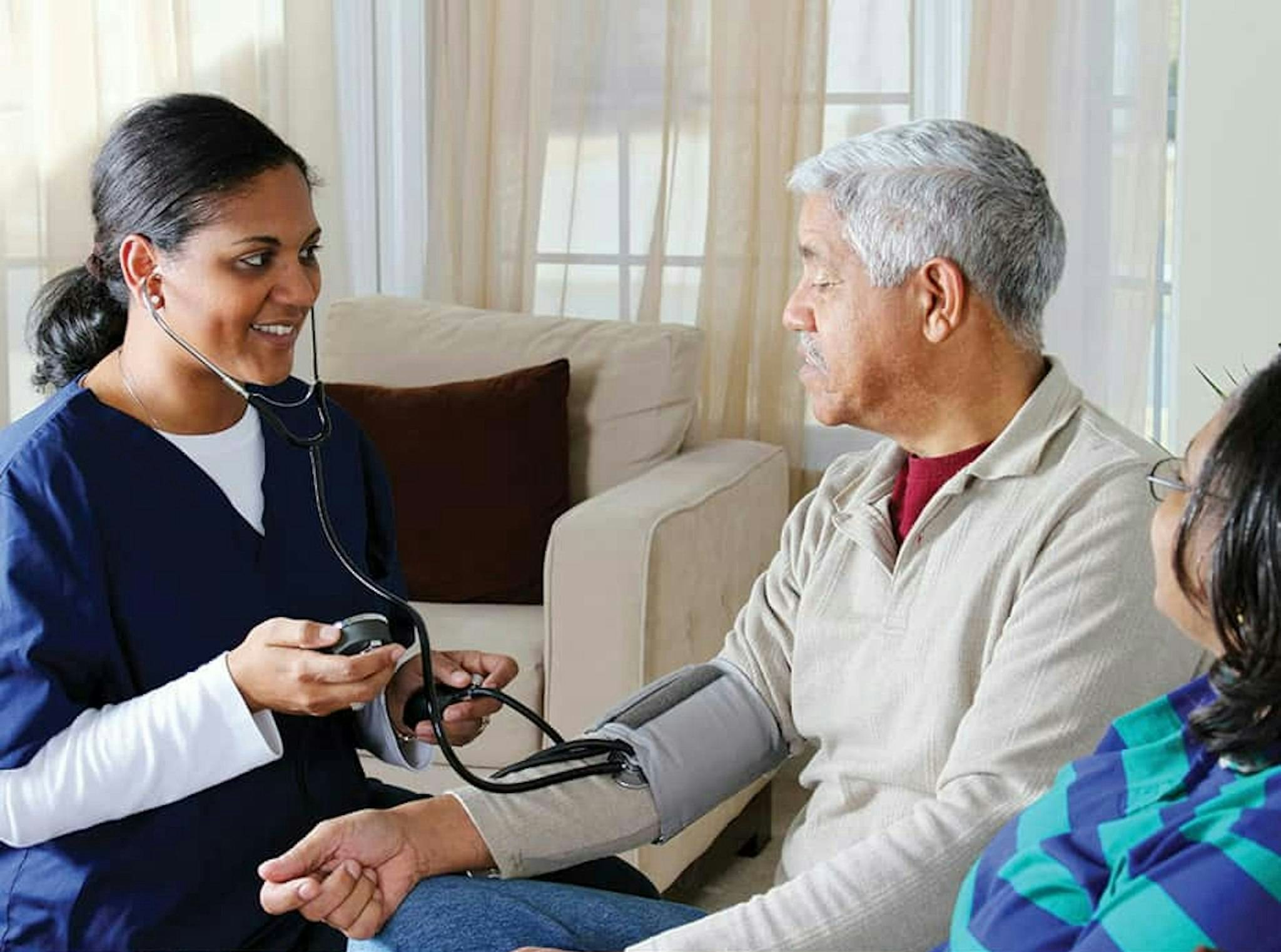
Your Guide to Home Care
This guide will walk you through what home care is, who may benefit from it, how to get started.

What is Home Care?
Home care is a support service that helps a person remain safely in their home while dealing with health-related issues. There are various types of home care services that can be provided depending on the person's needs.

Getting On The Same Page. The Family Meeting.
As a caregiver, you may often feel responsible for making all the health care decisions for your relative who is ill. This feeling comes from the great sense of love and responsibility you have towards your loved one. Including family members in conversations about treatment and goals will help facilitate discussions with the health care team and get everyone on the same page.

Simplifying the Difference Between Original Medicare and Medicare Advantage Plans
Original Medicare is a federal program that helps the elderly and disabled afford care while Medicare Advantage is an alternative to Original Medicare that gives people more options. Lear more about the differences.
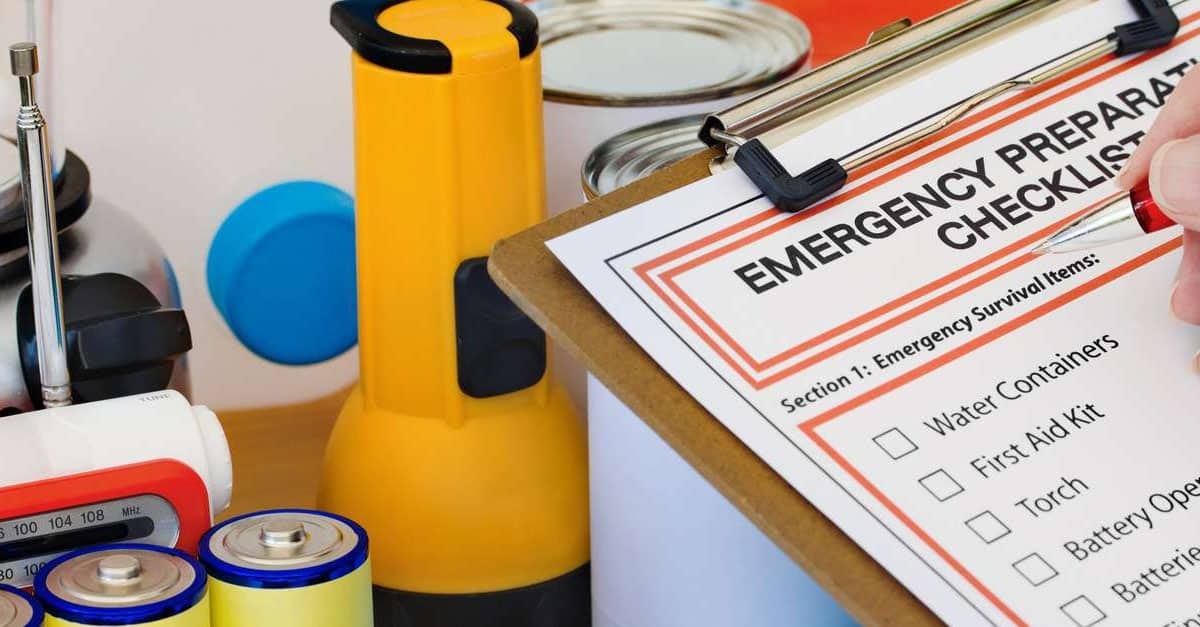
Preparing for an Emergency
Being prepared for emergencies such as house fires, hurricanes, floods, or other natural disasters is very important. The following article can guide you on creating an Emergency Plan to prepare yourself on what needs to be done before, during, and after an emergency.

Preventing the Risk of Infection in the Home
If a family member has an infection, they may risk spreading it to a person who is “at risk.” The home and surroundings must be constantly kept as clean as possible. Take these steps to prevent infection in the home.

Oxygen Therapy and Safety Precautions
If you are caring for someone with a lung disease such as Chronic Obstructive Pulmonary Disease (COPD) or Congestive Heart Failure (CHF), their doctor may have prescribed oxygen therapy to get more oxygen to breathe. Learn some tips on using oxygen safely.

Preventing Fire Hazards
If a fire starts in your home, you will most likely have less than two minutes to escape. Early warning from a smoke detector can save your life. But having a working fire detector is not the only thing you can do.
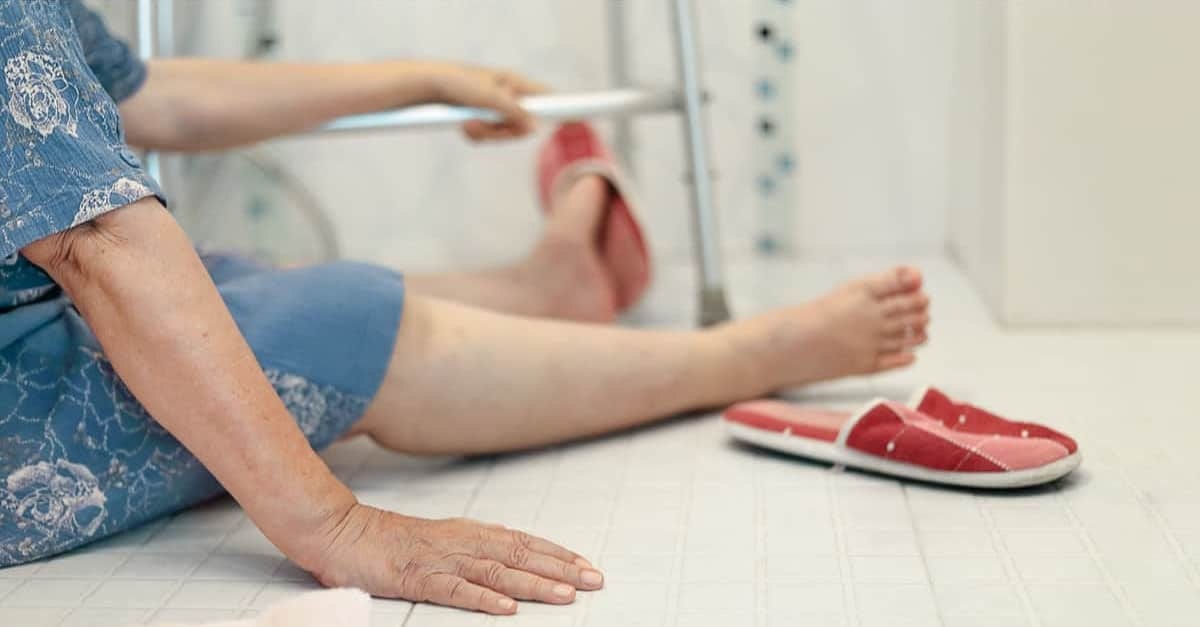
Preventing Falls
Falls are the leading cause of death when it comes to home accidents. They make up a third of all fatalities. Falls are common among older adults and may lead to fractures, hospitalization, rehabilitation, and long-term care. Learn how to prevent falls at home with these tips.

Continuum of Care: The Importance of Seamless, Uninterrupted Care
Continuum of care often leads to improved overall health and reduced health care costs.

Motivating Your Loved One to Participate in Activities
Understand the varied benefits of keeping seniors active and learn how to overcome challenges to motivate them.